Source Industrial Fruit And Vegetable Juicer For Beverage Factories
Find 30 industrial fruit and vegetable juicer options for beverage factories. Compare models like BFHT01 and KT-097 with capacities from 11-20L to 2000kg/Hour. Evaluate features such as automatic pulp ejection and 304 stainless steel construction for efficient juice production.
Key considerations
Products List


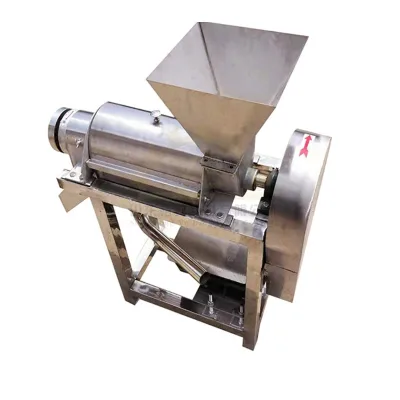

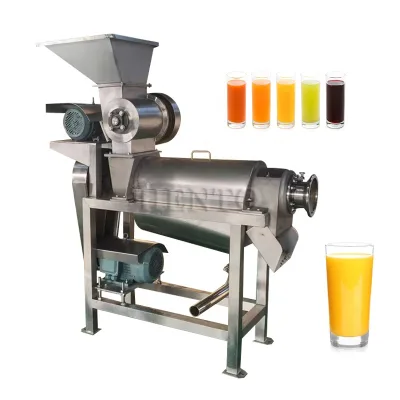


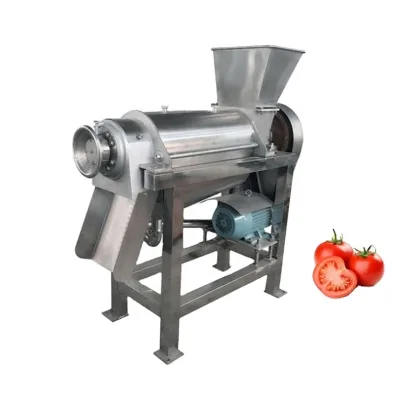
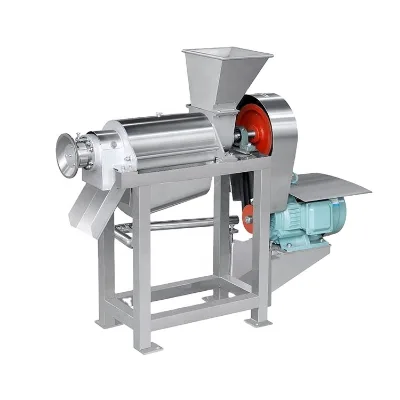




Comprehensive Sourcing Guide
Industrial Fruit and Vegetable Juicer Sourcing Guide
Procuring industrial fruit and vegetable juicers requires a clear understanding of the diverse machinery available, ranging from high-capacity continuous processing units to specialized twin-gear systems. Buyers must distinguish between machines designed for heavy-duty beverage factory applications, which often feature capacities between 300 and 2000kg per hour, and smaller units intended for specific juice types like apple or carrot. The observed market includes models with varying power ratings, such as 1.5KW units, and different voltage requirements including 380V and 220V, necessitating careful alignment with local facility infrastructure before selection.
The functional scope of these machines extends beyond simple extraction, with many units offering automatic pulp ejection and grinding modes to enhance efficiency. Some advanced models are engineered to handle multiple juice types simultaneously, including watermelon and carrot, while others focus on specific processes like thermal processing or water treatment integration. Understanding whether a supplier offers customized configurations or standard non-customized units is critical, as the choice impacts the machine's ability to integrate seamlessly into existing production lines for washing, peeling, and filling operations.
Product Scope and Observed Listing Signals
Buyers should analyze the wide range of listed prices and minimum order quantities to gauge market positioning and volume requirements. The observed price spectrum spans from affordable entry-level units to high-value industrial systems, with minimum order quantities varying significantly from single units to batches of 1000. This variance suggests that procurement strategies must be tailored to the specific scale of operation, whether the goal is a pilot test with a single unit or a large-scale deployment requiring multiple identical machines for consistent output.
Physical specifications and packaging details provide essential clues regarding the machine's intended use and logistical handling. Listings indicate dimensions ranging from compact 95x68x118cm units to large industrial frames measuring 1100x320x750mm, often packed in wooden cases or cartons depending on the model. The presence of specific model identifiers like BFHT01 or KT-097 helps in tracing technical documentation, while the material composition, typically 304 stainless steel for housing and blades, ensures durability against the corrosive nature of fruit acids and the rigors of continuous industrial use.
Technical Specifications to Verify
Verification of motor power and voltage compatibility is the first critical step in ensuring operational reliability and safety. Industrial units often operate on 380V three-phase power to handle high capacities, whereas smaller or specialized models may utilize 220V single-phase systems. Buyers must confirm that the selected machine's power rating, such as the observed 1.5KW specification, matches the available electrical supply to prevent tripping or inefficient performance, especially when integrating with related machinery like washing or filling machines.
Capacity and filtration mesh size are vital parameters that directly influence the throughput and quality of the final juice product. The market offers machines with capacities ranging from 11-20 liters for smaller applications to over 2000kg per hour for large factories, with filter mesh sizes like 0.6mm available for specific texture requirements. Additionally, the type of juicing mechanism, whether it is a twin-gear system or a standard squeezer, must be verified against the specific fruit or vegetable being processed to ensure optimal extraction rates and minimal waste.
Compliance and Safety Documentation
Ensuring that machinery meets international safety standards is non-negotiable for industrial procurement, particularly when exporting or importing equipment. Buyers should request certification documents, such as CE marks, which indicate compliance with European health, safety, and environmental protection standards. While some listings explicitly mention CE certification, others may not, requiring the buyer to verify that the supplier can provide valid test reports or conformity declarations before finalizing the purchase to avoid regulatory hurdles at customs.
Documentation regarding the machine's condition and warranty support is equally important for long-term operational stability. Most industrial units are listed as new, but buyers must confirm the availability of after-warranty services, such as online support, to address potential technical issues promptly. The inclusion of detailed packing specifications, like wooden cases for heavy units, also serves as a proxy for the supplier's attention to detail in protecting the equipment during transit, which is a key indicator of their overall reliability and commitment to product integrity.
Cost Drivers and Commercial Terms
The total cost of ownership for industrial juicers is influenced by factors beyond the initial purchase price, including customization options and material quality. Units offering customized features or specific configurations often command higher prices, while standard models with fixed specifications like 304 stainless steel housing may be more cost-effective. Buyers should evaluate whether the added cost of customization justifies the specific operational needs of their facility, such as unique capacity requirements or specialized juice extraction functions.
Commercial terms, including minimum order quantities and lead times, play a significant role in budget planning and supply chain management. The observed MOQ range of 1 to 1000 units suggests flexibility for different buyer sizes, but larger orders may require negotiation on pricing and delivery schedules. Additionally, the origin of the equipment, typically from regions like Henan, China, can impact shipping costs and import duties, making it essential for buyers to factor in these logistical expenses when calculating the final landed cost of the machinery.
Supplier Qualification and Quality Control
Assessing the supplier's background and manufacturing capabilities is crucial for mitigating risks associated with equipment failure or non-compliance. Buyers should verify the supplier's location and export experience, as many listed products originate from China with export capabilities to any country. A supplier's ability to provide related machinery, such as washing or peeling machines, indicates a broader product ecosystem and potential for integrated solutions, which can streamline the procurement process and ensure compatibility across the entire production line.
Quality control measures, including material grades and construction standards, must be rigorously evaluated to ensure the machine's longevity and performance. The use of high-grade materials like 304 stainless steel for critical components and the availability of different housing materials, such as plastic for specific parts, should be confirmed against the supplier's quality assurance protocols. Buyers should also inquire about the supplier's track record in providing after-sales support and their ability to handle technical issues, as these factors are often more critical than the initial price when considering long-term operational success.
Long-Term Procurement Checks
Establishing a robust framework for ongoing maintenance and performance monitoring is essential for maximizing the lifespan of industrial juicing equipment. Buyers should prioritize suppliers who offer comprehensive online support and clear guidelines for routine maintenance, such as checking filter mesh integrity and blade sharpness. Regular inspections of the machine's condition, including the verification of new status and any signs of wear, will help prevent unexpected downtime and ensure consistent juice quality over time.
Future-proofing the procurement strategy involves considering the scalability and adaptability of the chosen equipment to changing production demands. As market needs evolve, the ability to upgrade or modify the machine, such as adjusting capacity or adding new functions like thermal processing, becomes a key consideration. Buyers should maintain open communication with suppliers regarding potential upgrades and ensure that the initial investment aligns with long-term growth plans, allowing for seamless integration of new technologies or expanded production capabilities without significant disruption.
FAQs
What materials are used in industrial fruit and vegetable juicer construction?
Industrial fruit and vegetable juicers typically utilize 304 stainless steel for the main housing and blades to ensure hygiene and durability. Some smaller units may feature plastic housing components. The use of food-grade stainless steel prevents corrosion and meets strict sanitary standards required for beverage and fruit factory applications.
Can an industrial fruit and vegetable juicer be customized for specific needs?
Yes, customization is available for many industrial fruit and vegetable juicer models to suit unique production requirements. Buyers can often specify voltage options like 380V or 220V and adjust capacity ranges from 300 to 2000kg per hour. Customized configurations help optimize the machine for specific juice types and factory layouts.
What is the typical capacity range for industrial fruit and vegetable juicers?
The capacity for industrial fruit and vegetable juicers generally ranges from 300 to 2000kg per hour for large-scale operations. Smaller or specialized units may handle volumes between 11 and 20 liters. This wide range allows factories to select equipment that matches their daily processing volume and throughput requirements efficiently.
Which certifications are standard for industrial fruit and vegetable juicer machines?
CE certification is a standard requirement for industrial fruit and vegetable juicer machines exported to many international markets. This certification ensures the equipment meets European health, safety, and environmental protection standards. Buyers should verify that the manufacturer provides valid CE documentation to ensure compliance with local regulatory requirements for food processing machinery.
How is the industrial fruit and vegetable juicer packaged for shipping?
Industrial fruit and vegetable juicers are typically packaged in wooden cases or sturdy cartons to protect the equipment during transit. The packaging dimensions vary based on the specific model, such as 1100x320x750mm for larger units. Secure packaging ensures the machine arrives at the destination factory without damage, facilitating immediate installation and operation.
What after-sales support is provided for industrial fruit and vegetable juicers?
Online support is commonly provided as the primary after-sales service for industrial fruit and vegetable juicers. This assistance helps buyers troubleshoot operational issues, perform maintenance, and optimize machine performance remotely. Buyers should confirm the availability of online support channels to ensure timely technical assistance without requiring immediate on-site visits.